The Joint Accounting Symposium of Southwestern University of Finance and Economics – Rutgers University – Chengdu University and the World Continuous Auditing and Reporting Symposium (WCARS) ended at Chengdu University on October 17, 2026. The theme of the meeting is Artificial Intelligence and Emerging Technologies in Accounting and Auditing. Rutgers Business School hosted it, and three Chinese teams helped to organize it, including the School of Business of Chengdu University, the School of Accounting of Southwestern University of Finance and Economics and the Research Center for Chengdu-Chongqing Twin-City Economic Circle. Many experts, scholars and young researchers from home and abroad went to Chengdu, like those from Rutgers, Chengdu University, SWUFE, Shanghai University of Finance and Economics and Beijing Institute of Technology. They talked about some front-edge problems in accounting and auditing in the digital age and had high-level international exchanges.
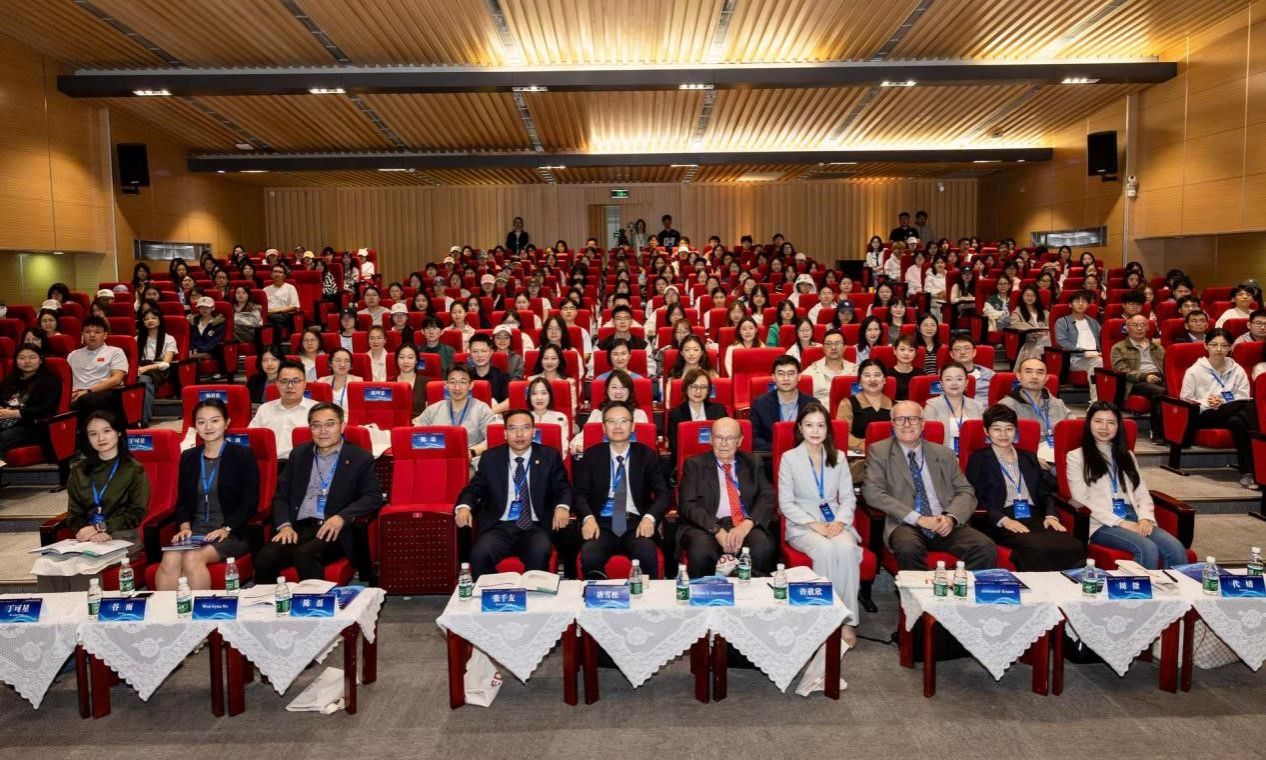
WCARS is an influential international platform for continuous auditing and audit data analysis. It cares about the new ideas and the practical use of new technology in accounting, auditing and reporting, and it helps scholars and workers from different countries talk and work together. It has been years since this meeting came to China, so this time it builds an important bridge between Chinese accounting and auditing and the latest research in the world.
At the opening ceremony, Professor Qianyou Zhang, Professor Xuesong Tang and Professor Miklos A. Vasarhelyi gave their opening speeches. They said that AI and large language models are changing the whole process of making accounting information, releasing company information and checking audit results. These technologies bring chances, but they also bring new problems for finding risks, managing information and training people. So scholars from China and other countries need to find answers together.
In the keynote part, many famous scholars from Rutgers shared their newest findings on hot topics, such as AI-driven continuous reporting assurance, multi-period audit data analysis and cyber security risk disclosure. They talked about how some new tools, like intelligent agents and semi-supervised rule induction, can be used in auditing. They also discussed the real problems of risk disclosure for companies in the digital age.
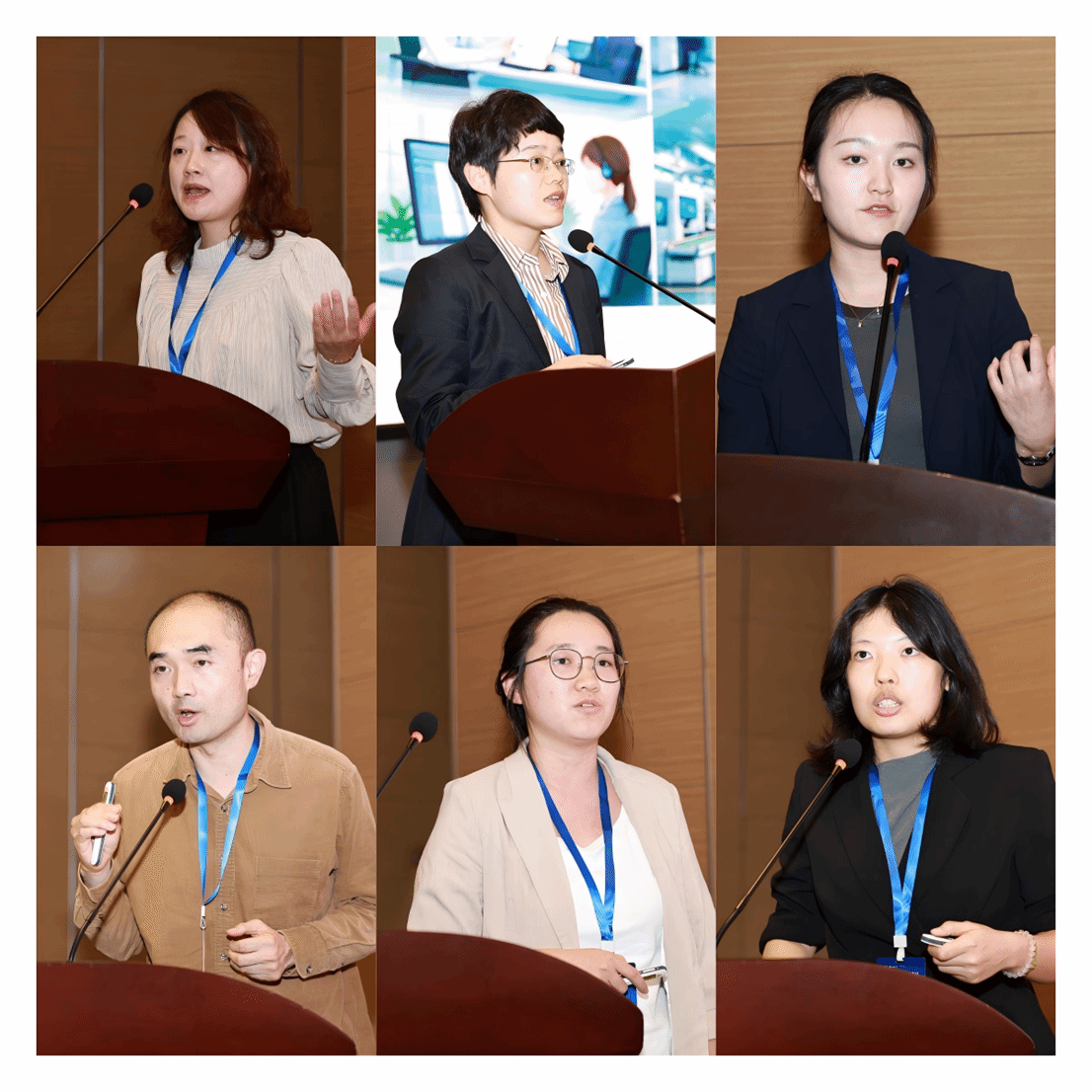
The meeting also had paper-sharing sessions and online project shows. Researchers from Chinese universities reported their work on topics like the bias of AI-made accounting information, building digital trust for companies, judging going-concern audit opinions and making a checking framework for the accounting output of large language models. Experts gave comments and discussed these papers. A PhD team from Rutgers showed their projects online, including one-click auditing and remaking insurance accounting with AI. All these show new directions in continuous auditing. The talks covered both theory and practice, and they focused on the chances and challenges for accounting and auditing under new productive forces, giving different ideas for building a knowledge system in the digital age.
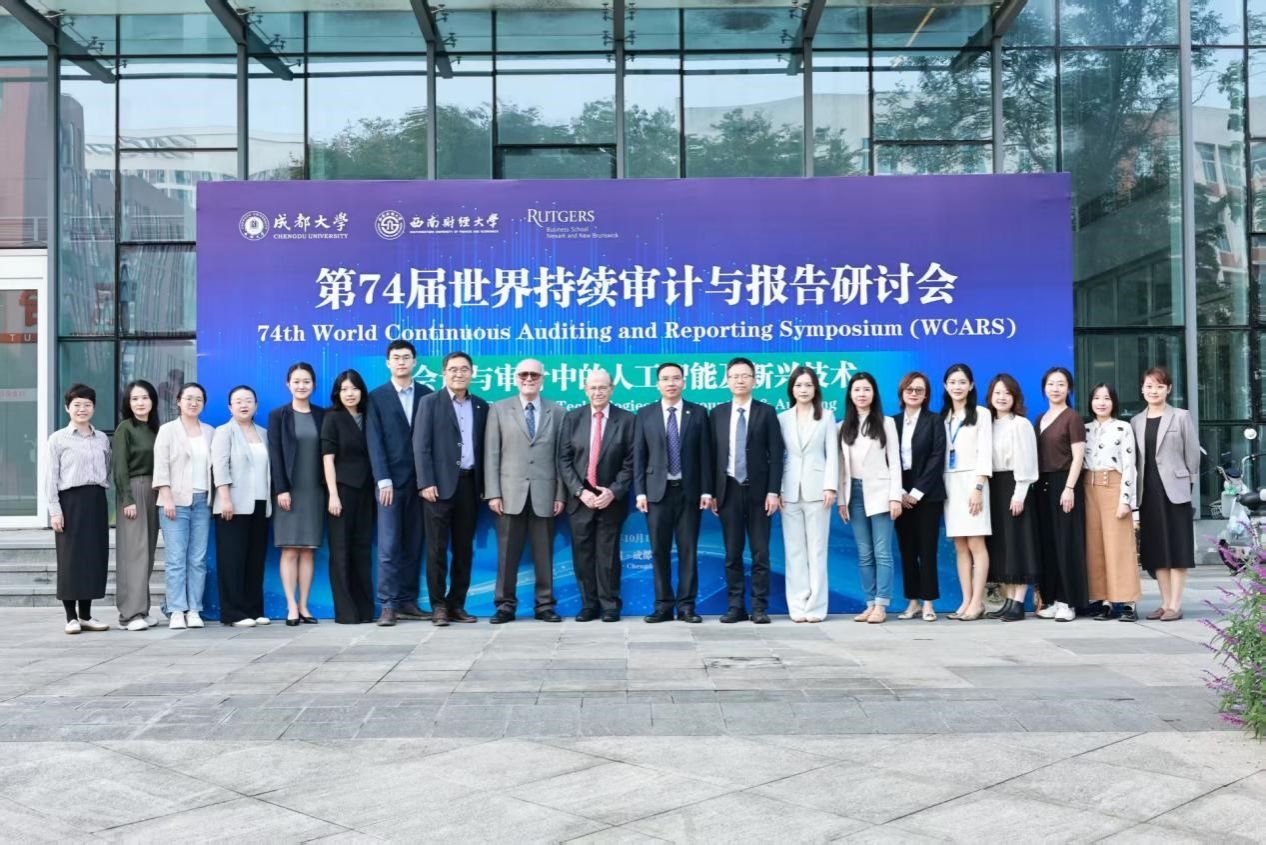
The meeting brought together smart ideas from China and abroad and opened a way for international academic communication in accounting and auditing. Most experts believed that we should keep good traditions and keep making progress. We should base our research on Chinese practice, learn from international findings and push AI and other new technologies to go deep into China's accounting and auditing. That will help the high-quality development of these subjects. The meeting also made Chengdu's business schools more famous internationally and gave new power to subject building, student training and research in finance, accounting and auditing in the Chengdu-Chongqing area.


